How Stress Affects Your Brain and Ways to Protect It
Sharp Mind Health >> Stress>> How Stress Affects Your Brain and Ways to Protect It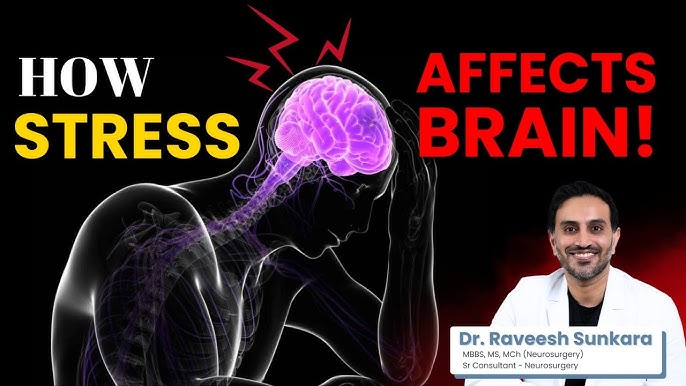
How Stress Affects Your Brain and Ways to Protect It
Stress is a normal part of life, but chronic stress can have serious effects on the brain. From memory lapses to mood disturbances, prolonged stress can interfere with cognitive function and even increase the risk of neurological disorders. Understanding how stress affects your brain and learning strategies to protect it are essential for long-term mental health.
How Stress Impacts the Brain
Chronic stress triggers a cascade of changes in the brain that can impair function over time.
1. Shrinks the Hippocampus
The hippocampus is critical for memory and learning. High levels of cortisol, the stress hormone, can damage hippocampal neurons.
Effects:
- Impaired memory formation
- Difficulty recalling information
- Reduced learning capacity
2. Impairs Prefrontal Cortex Function
The prefrontal cortex governs decision-making, attention, and executive functions. Stress disrupts its activity, leading to:
- Poor focus and concentration
- Reduced problem-solving ability
- Impulsive decision-making
3. Overstimulates the Amygdala
The amygdala is responsible for processing emotions and fear responses. Chronic stress can over-activate it, resulting in:
- Heightened anxiety or irritability
- Increased emotional reactivity
- Difficulty regulating emotions
4. Increases Risk of Neurodegeneration
Long-term stress may contribute to inflammation and oxidative stress in the brain, which can increase the risk of neurodegenerative diseases like Alzheimer’s and Parkinson’s.
Ways to Protect Your Brain from Stress
Protecting your brain involves managing stress effectively and supporting cognitive function through healthy lifestyle habits.
1. Practice Mindfulness and Meditation
Mindfulness techniques help regulate cortisol levels and improve brain function.
Tips:
- Spend 10–20 minutes daily on meditation or deep breathing
- Practice mindful awareness during daily activities
2. Exercise Regularly
Physical activity reduces stress hormones and increases endorphins, which improve mood and cognitive function.
Recommendations:
- Aim for at least 30 minutes of moderate exercise most days
- Include both aerobic and strength training exercises
3. Prioritize Quality Sleep
Sleep restores brain function and reduces the harmful effects of stress on neurons.
Tips:
- Maintain a consistent sleep schedule
- Aim for 7–9 hours per night
- Create a calming bedtime routine
4. Eat a Brain-Healthy Diet
Certain nutrients help the brain manage stress and support cognitive health.
Include:
- Omega-3 fatty acids (fatty fish, walnuts, flaxseeds)
- Antioxidant-rich foods (berries, leafy greens, nuts)
- Magnesium-rich foods (spinach, pumpkin seeds) to support relaxation
5. Engage in Social Support
Strong social connections buffer against the effects of stress and improve resilience.
Tips:
- Stay connected with friends and family
- Join support groups or community activities
- Share feelings and seek help when needed
6. Practice Relaxation Techniques
Simple relaxation strategies can calm the nervous system and protect the brain.
Options:
- Yoga or tai chi
- Listening to calming music
- Spending time in nature
7. Limit Stress Triggers
Identify and manage lifestyle factors that increase stress.
Tips:
- Reduce excessive workload where possible
- Avoid unnecessary conflicts and negative media
- Schedule breaks and downtime daily
Final Thoughts
Chronic stress is not just an emotional issue—it has real, measurable effects on the brain. From memory impairment to increased risk of neurodegeneration, unmanaged stress can compromise cognitive function and long-term brain health.
The good news is that simple, consistent strategies—like mindfulness, exercise, sleep, a healthy diet, and strong social connections—can protect your brain and help you manage stress effectively. By prioritizing these habits, you can enhance mental resilience, improve focus, and maintain a sharp, healthy brain throughout life.
I can also create a “7-Day Brain Protection Plan” with practical daily activities, nutrition tips, and stress-reduction exercises to help safeguard your cognitive health naturally.
Do you want me to make that?